Cities being treated as characters by themselves in movies is not a new thing. From classics like Roman Holiday (1953) to more modern masterpieces such as Before Sunrise (1995) or Lady Bird (2017), the representation of cities in the cinema has shaped how people see these spaces and their residents for decades now. Movies are a potent medium for storytelling and often contribute to the formation of city stereotypes. These portrayals can significantly influence the perception and lead to pride or anger for the locals. Through the lens of popular films, we can examine how cities can be portrayed in cinema and the consequent effects on the identities of their inhabitants.
Which movie made you fall in love with a city the first time you watched it?
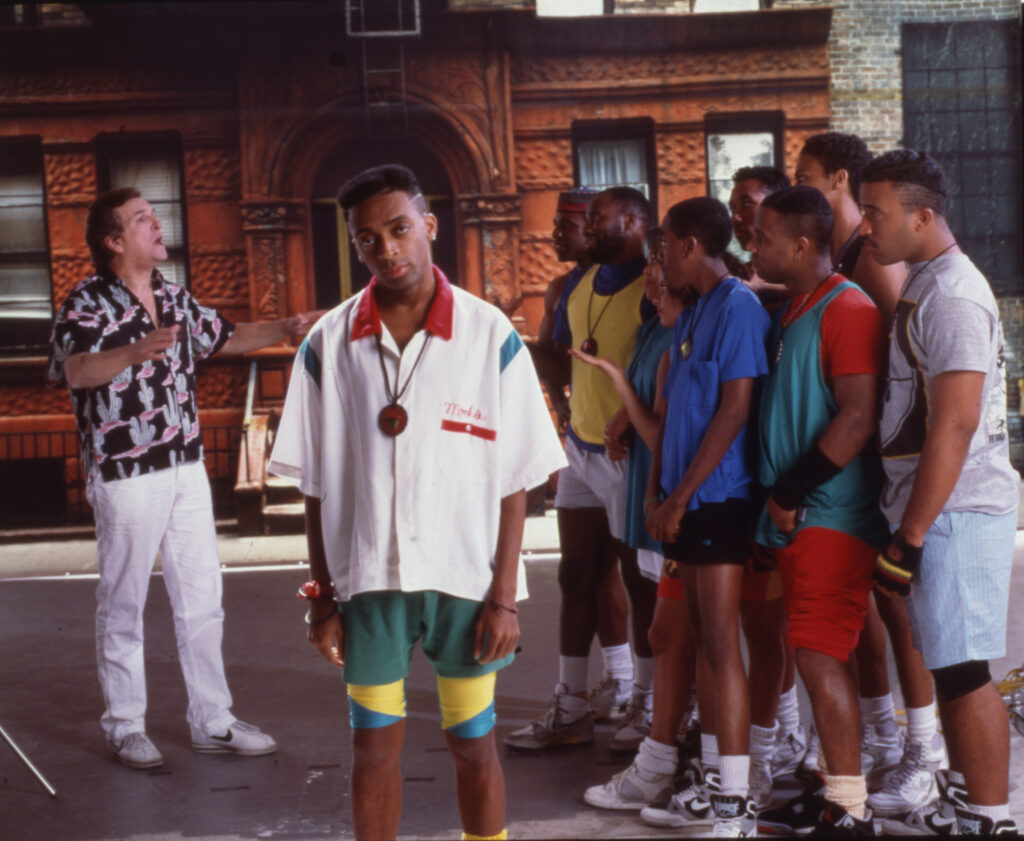
Do the Right Thing (1989), dir. Spike Lee
Spike Lee’s Do the Right Thing offers a vivid portrayal of Brooklyn. The film has an authentic depiction of urban life, capturing the vibrant culture and complex social dynamics of the neighborhood. Unlike many films that portray urban areas through a lens of negativity, Do the Right Thing highlights the rich culture and strong sense of community in Brooklyn, while still addressing serious issues like racial tension and economic disparity. The film’s representation of Brooklyn showcases its resilience and diversity. It provides a platform for marginalized voices, celebrating the everyday lives of its inhabitants (Curbed, 2018). This positive portrayal has contributed to a sense of pride among Brooklynites, reinforcing the notion that their community is not only unique and vibrant but also capable of facing and overcoming challenges together, creating a deeper connection between the overall identity of the place and how its residents see themselves.
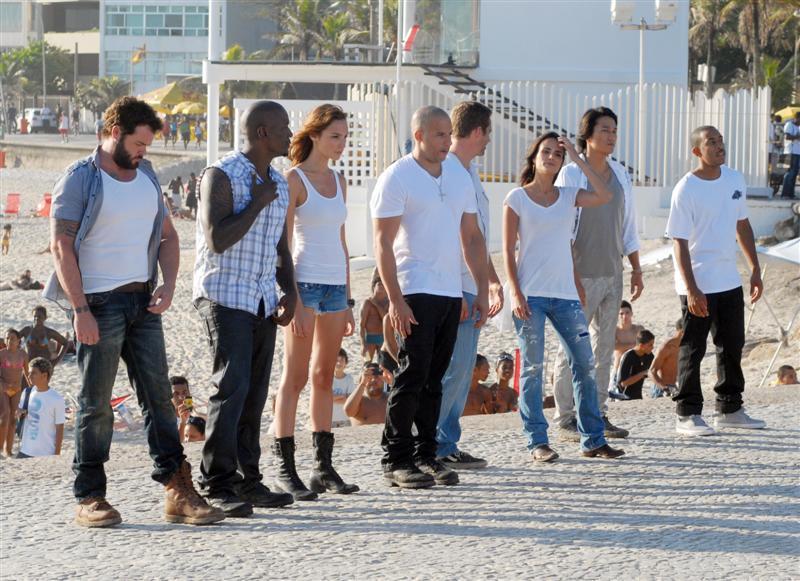
Fast Five (2011), dir. Justin Lin
On the other side of the spectrum, the fifth instalment of the Fast & Furious franchise offers a contrasting depiction of Rio de Janeiro, presenting the city as a backdrop for danger and crime. The film has been criticized for its violent and exaggerated portrayal of Rio, which is shown as a city ruled by corruption and lawlessness, full of heavily armed drug dealers and sexualized women (G1 Globo, 2011). This negative representation can perpetuate harmful stereotypes, affecting how the city is viewed internationally and contributing to a stigmatized identity among its residents (Veja, 2011). Such depictions can overshadow the vibrant, multifaceted reality of Rio, making those who live there feel like they were put in a box and are viewed in a way that does not represent them, leading to a disconnected feeling from their own city.